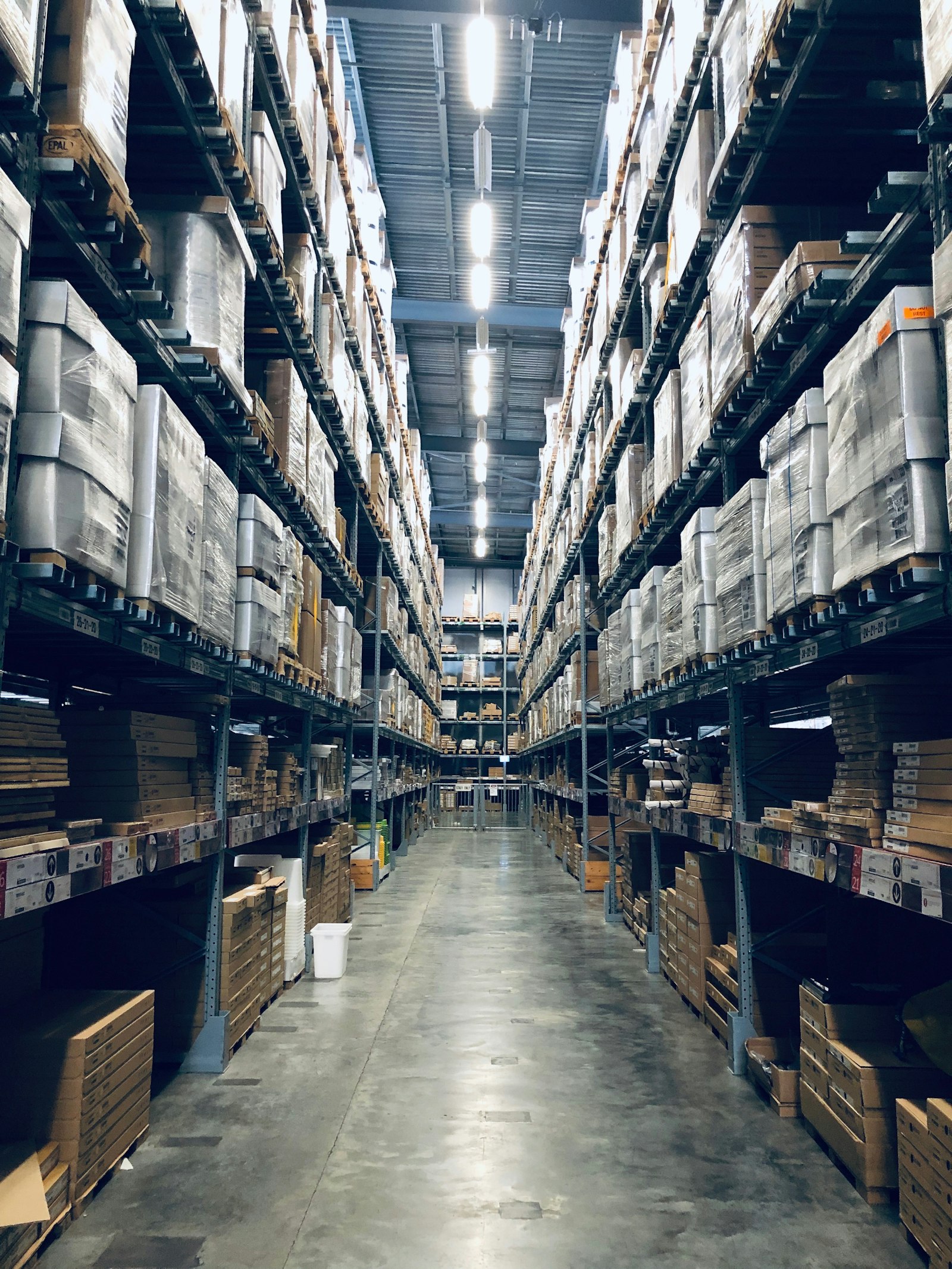
The SAP Warehouse Management engine sits at the intersection of operational complexity and licensing complexity. The contract meter — annual movement count or annual line-item count, depending on the contract vintage — was designed for a discrete warehouse with manual processes and a single put-away and pick step per receipt. The operational reality of a 2026 warehouse looks nothing like that. Automated systems generate multiple movements per physical event, cross-docking and value-added services multiply the line-item count, and the migration from classic WM to S/4HANA Extended Warehouse Management (EWM) changes the meter altogether.
This guide sets out how the WM engine is metered, the four sources of movement-count inflation, the EWM versus WM licensing question that S/4HANA conversion surfaces, and the discipline that keeps the engine inside its contracted envelope.
How the engine is metered
The classic WM engine is licensed in tiers of either annual goods movements or annual transfer-order line items, depending on the contract template. The measurement is taken from transaction USMM, which reads the MKPF and LTAK tables for the prior measurement period. A typical contract bracket might license up to ten million movements per year, with step-up tiers at twenty-five million, fifty million, and so on.
What counts as a movement
A goods movement is any record posted to MKPF, regardless of source. The category includes physical movements (receipts, issues, transfers, stock counts), system-generated movements (re-warehouse postings, batch splits, packaging-material consumption), and adjustment movements (cycle-count corrections, write-offs, scrap postings). Each movement is counted once for the engine metric, irrespective of whether the underlying physical event was a single put-away or a multi-step automated sequence.
The line-item alternative
Some contract vintages meter transfer-order line items rather than goods movements. The line-item meter sits closer to physical activity than the movement meter does, but it also includes line items for storage-bin moves inside the warehouse, which inflate the count for automated facilities with high-density storage. The two metrics produce different numbers from the same operational profile, and the contracted choice between them is rarely revisited at renewal even when it has become unfavourable.
The four sources of movement-count inflation
1. Automated warehouse system integration
Automated storage and retrieval systems generate multiple movements per physical event. A single put-away to a high-bay storage location typically produces three to five movements: the receipt confirmation, the conveyor handoff, the lift movement, the bin confirmation, and any subsequent re-warehouse posting. The same physical event in a manual warehouse produces one or two movements. Estates that have invested in automation routinely find their movement count two to four times higher than the comparable manual operation.
2. Cross-docking and value-added services
Cross-docking processes generate paired movements at each handoff point. A pallet that arrives at the receiving dock and is moved through a cross-dock to the outbound shipping dock generates a goods receipt, a transfer to cross-dock, a transfer from cross-dock, and a goods issue. Value-added services like kitting and re-packaging add further movements per physical event. The cumulative effect on the engine meter is significant for distribution-heavy estates.
3. Batch-managed and serial-tracked stock
Batch-managed and serial-tracked materials generate additional movements at each batch split, batch merge, or serial-number assignment. Pharmaceutical and food estates with stringent batch traceability requirements routinely show movement counts twice or three times what an equivalent non-batch-managed estate would show.
4. Cycle-count and inventory-correction movements
Cycle-count corrections and inventory-adjustment postings generate movements that the original contract envisaged as exceptional events. Estates with continuous cycle-counting programmes generate adjustment movements at a rate that the original contract baseline did not anticipate, and the cumulative impact on the engine meter is significant.
The EWM versus WM licensing question
S/4HANA includes Extended Warehouse Management (EWM) as an embedded component, available in two forms: a basic version included in the core S/4HANA licence, and an advanced version licensed separately on the same movement-count meter as classic WM. The decision between the basic and advanced versions is one of the more consequential choices in an S/4HANA conversion negotiation, and the decision is frequently made on functional criteria without the licensing implications being foregrounded.
What basic EWM covers
Basic EWM covers single-warehouse operations with inbound, outbound, internal warehouse, and physical-inventory processes. It excludes the advanced functionality — slotting, labour management, materials flow control, value-added services, and cross-docking — that distinguishes the advanced version.
What advanced EWM covers
Advanced EWM covers the broader functional set described above and includes the integration to automated material-handling systems. The licence is metered separately and follows the same movement-count meter as classic WM, with the tier price typically higher than classic WM for the same movement bracket.
The conversion negotiation
Customers converting from classic WM to EWM during an S/4HANA migration should treat the WM engine entitlement as a negotiated component of the conversion deal rather than as a straight carry-over. SAP will accept a restated baseline that reflects the post-conversion operational reality, and the conversion conversation is the right moment to remove the inflated meter that has built up under the classic WM contract. See our piece on S/4HANA engine conversion for the broader conversion mechanics.
How an audit position is built
The SAP audit team's standard request for WM is the USMM extract, the MKPF table dump for the measurement period, and the LTAK table dump where the contract is line-item metered. The audit team uses the volume figures from those tables to construct a true-up position against the contracted tier.
A defensible response decomposes the movement count into the categories above and excludes from the contestable position the movements generated by system-internal events that the original contract did not envisage. The exclusion does not always succeed in full, but it consistently reduces the back-charge component of the settlement, which is often larger than the prospective true-up component.
The administrative discipline
Three discipline points keep the WM engine inside the contracted envelope without compromising operational performance.
The quarterly movement-volume report
A quarterly report on movement volume, segmented by source category, should be standing operational practice. The report establishes the trend against the contracted tier and surfaces inflation patterns before they become a measurement-cycle finding.
The automation-impact assessment
Every warehouse-automation investment should include a licence-impact assessment as part of the capital approval process. The assessment is a paragraph-length quantification of the expected movement-count change, with the engine-tier implications attached. The discipline does not need to block the investment decision, but it should make the licence-cost implications visible to the procurement function.
The cycle-count posting convention
Cycle-count posting conventions should be reviewed against the engine-meter implications. Conventions that post every count event as a movement generate higher counts than conventions that post only correction events as movements. The functional outcome is the same; the meter count is materially different.
The renewal-cycle negotiation levers
When the WM engine entitlement comes up at renewal, three negotiation levers are worth exercising. The first is a restated baseline that reflects the hygienic post-discipline starting point, with a written plan to maintain it. The second is a tier ladder that reflects the realistic operational trajectory rather than the worst-case automation-driven inflation pattern. The third is an explicit exclusion of system-generated movements from the metered count, which is a negotiable carve-out under most contract templates.
The system-generated-movement carve-out is the most consistently undervalued lever in the WM negotiation. The movements in that category are routinely 30 to 60 per cent of the total movement population for an automated warehouse, and excluding them from the metered count changes the entire tier conversation.
Where the engine sits in the broader manufacturing map
The WM engine shares operational drivers with the MM engine, the QM engine, and the Production Planning engine. Movement-count inflation in WM is frequently accompanied by metric inflation in those other engines. A reading of the WM position in isolation usually understates the broader engine-metric exposure on a manufacturing or distribution estate. See our pieces on the QM engine metric and the engine double-counting traps for the broader context.
The thirty-day action list
For estates with an annual WM measurement coming up inside the next ninety days, four immediate actions are worth scheduling. First, pull the MKPF table for the prior twelve months and segment the movement count by source category. Second, schedule a quarterly review with the warehouse operations lead, the licence-management lead, and the procurement contract administrator. Third, identify any pending warehouse-automation investments and produce a licence-impact assessment for each. Fourth, review the cycle-count posting convention against the engine-meter implications. For deeper analytical background, our SAP Audit Defence Playbook includes a full engine-metric workbook, and the global distributor WM engine reduction case file shows the dollar impact across a recent matter. See also our service overview on SAP licence optimisation and the S/4HANA topic page for the broader context.